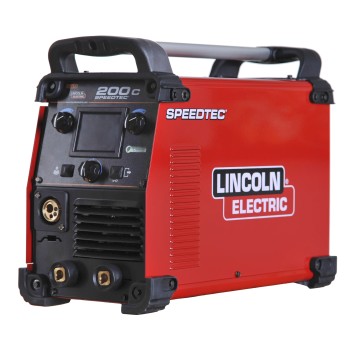
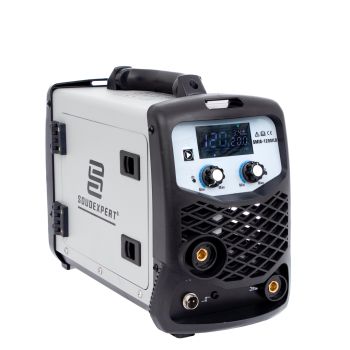
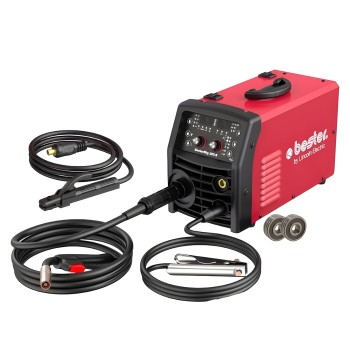
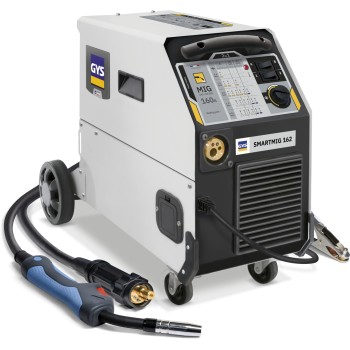
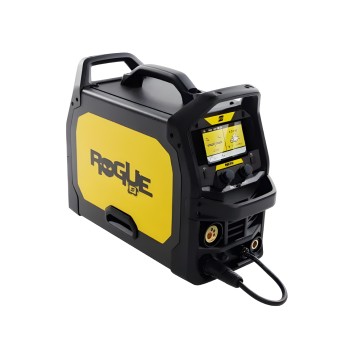
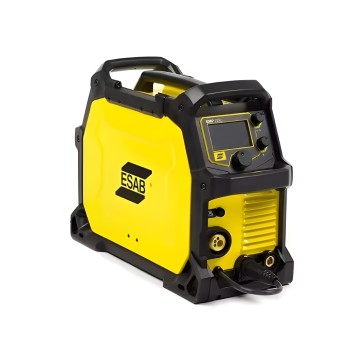
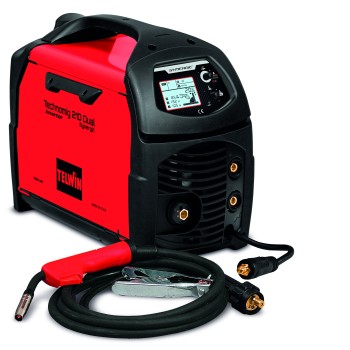
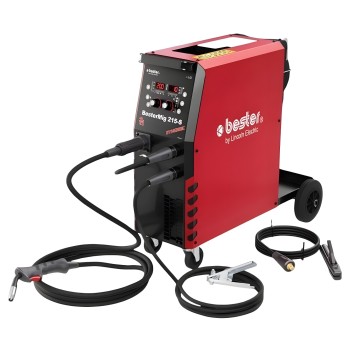
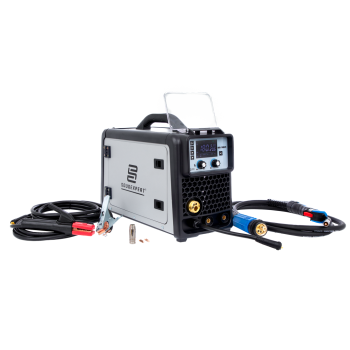
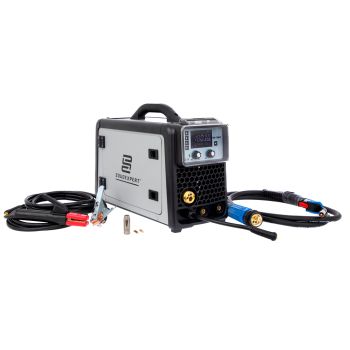
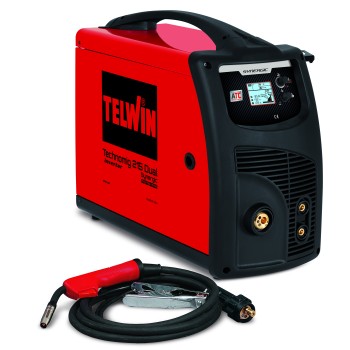
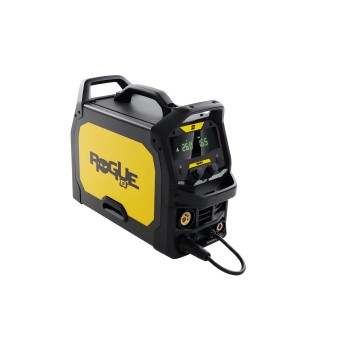
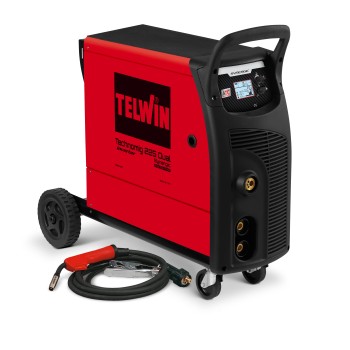
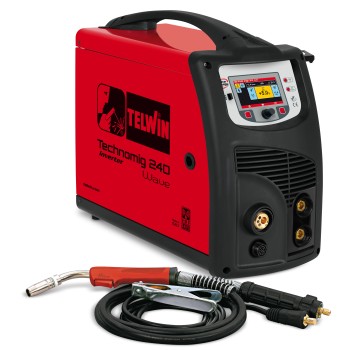
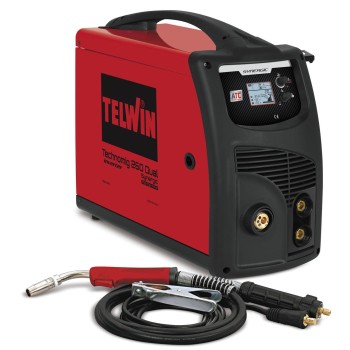
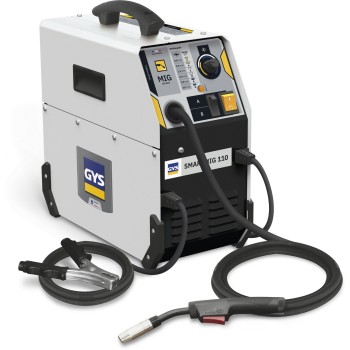
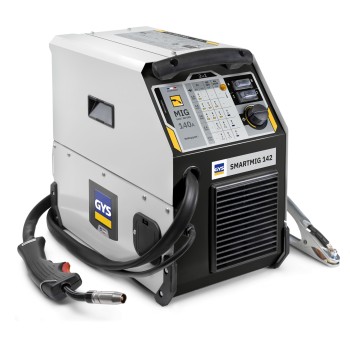
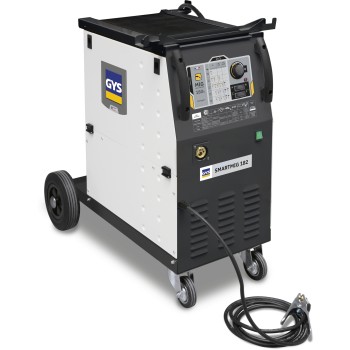
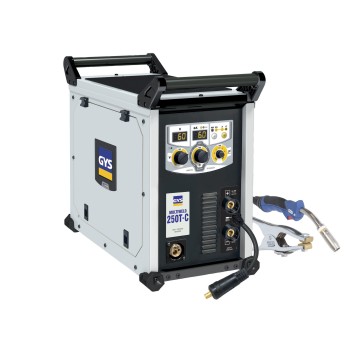
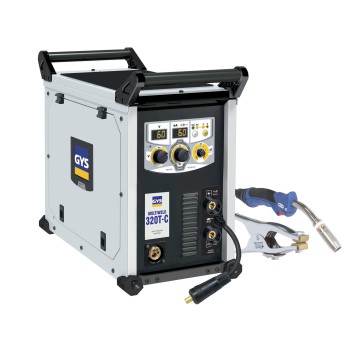
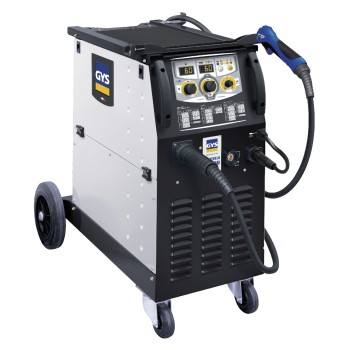
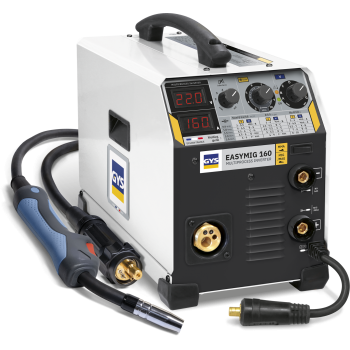
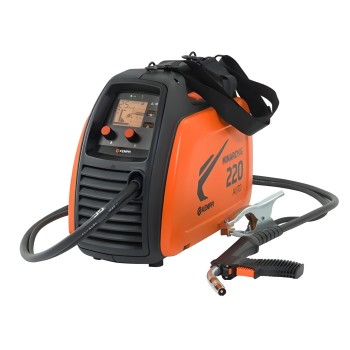
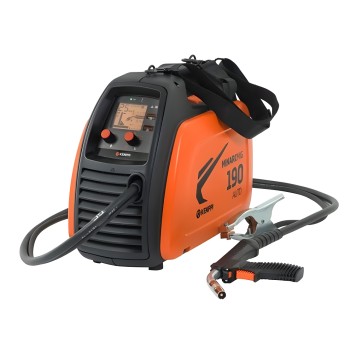
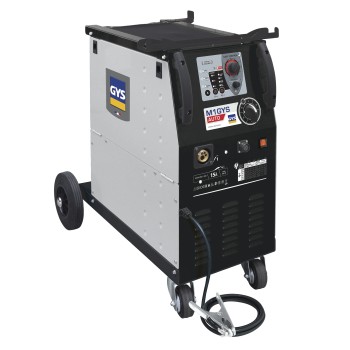
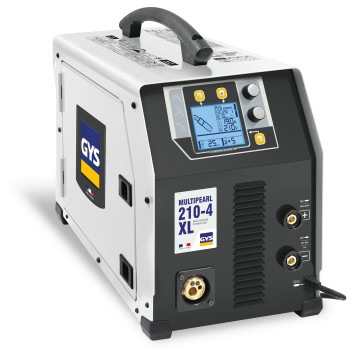
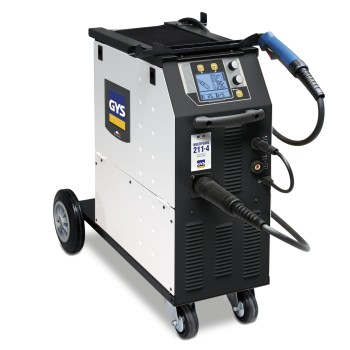
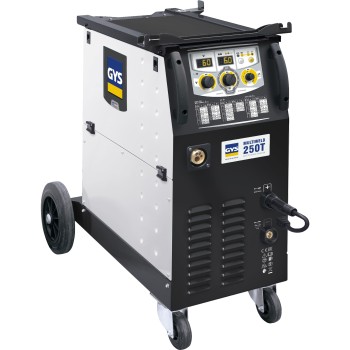
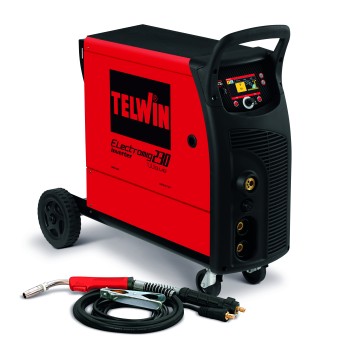
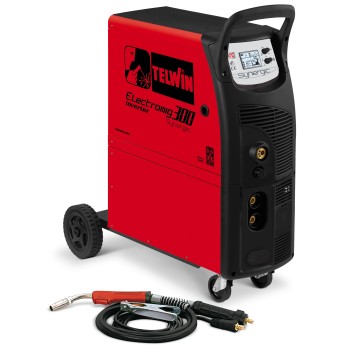
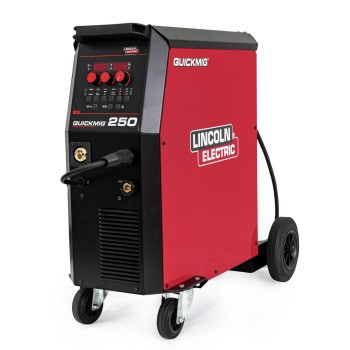
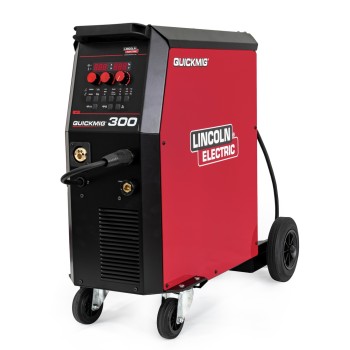
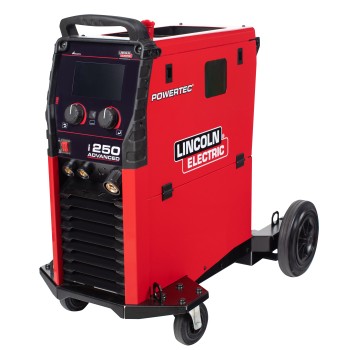
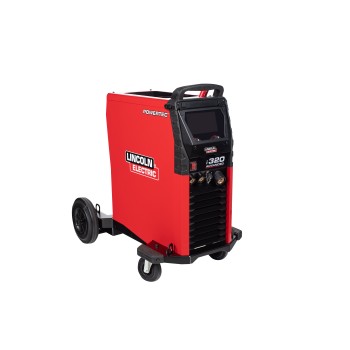
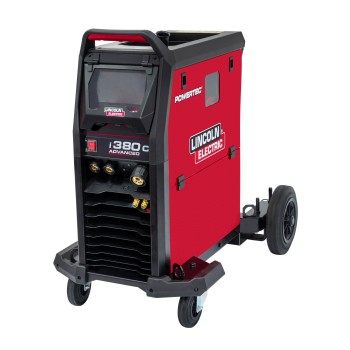
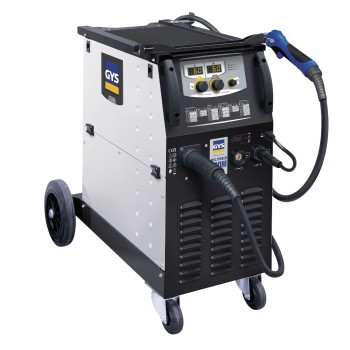
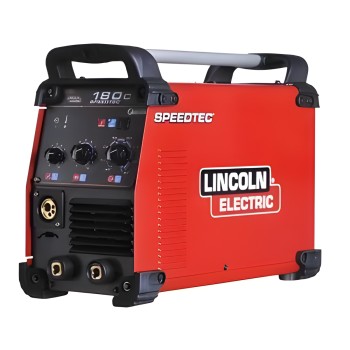
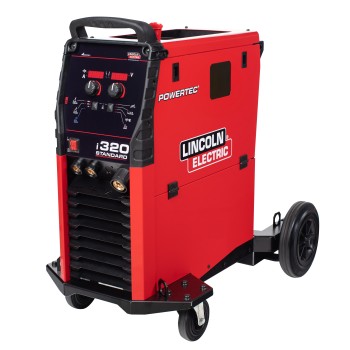
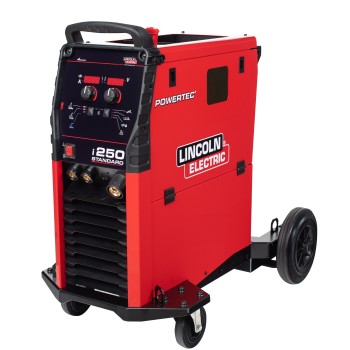
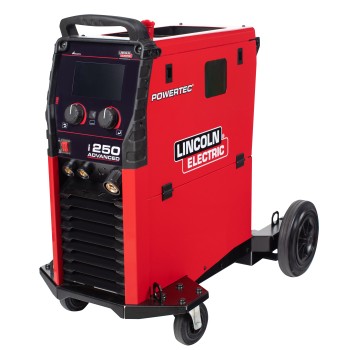
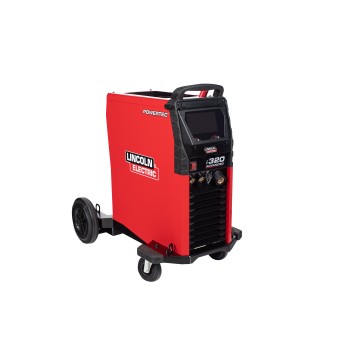
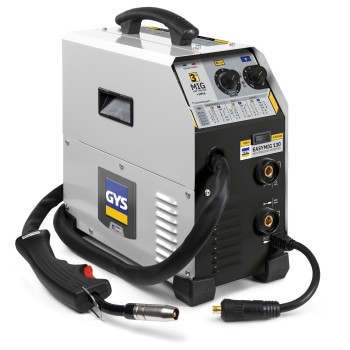
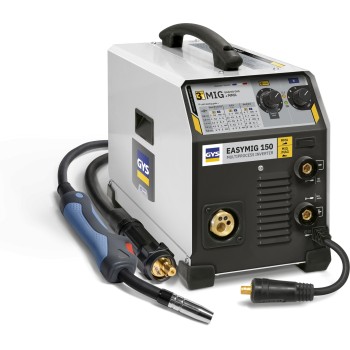
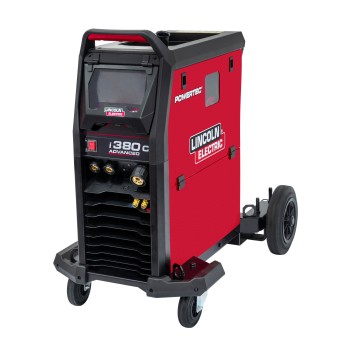
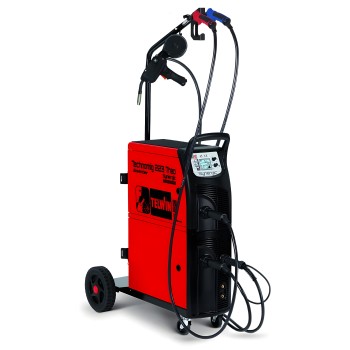
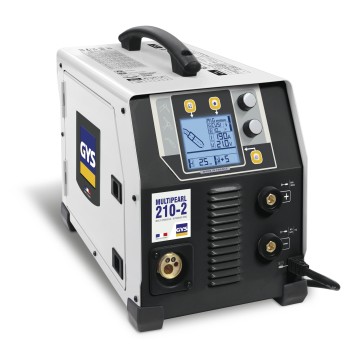
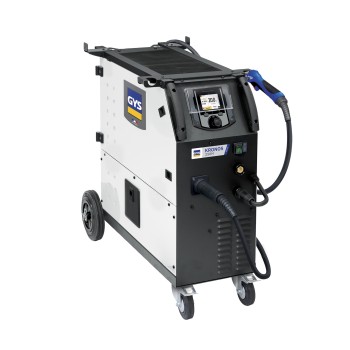
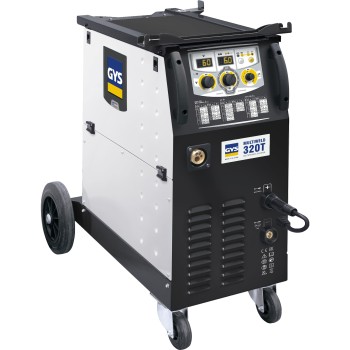
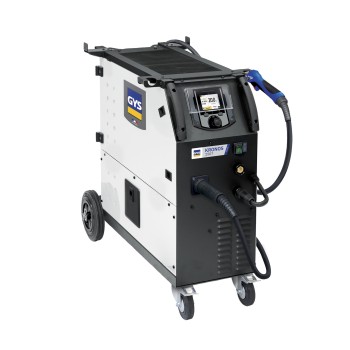
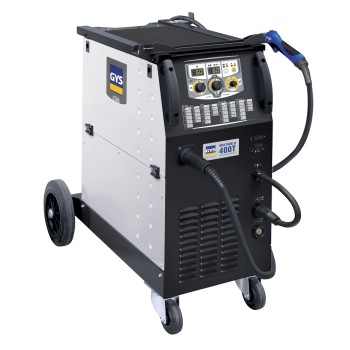
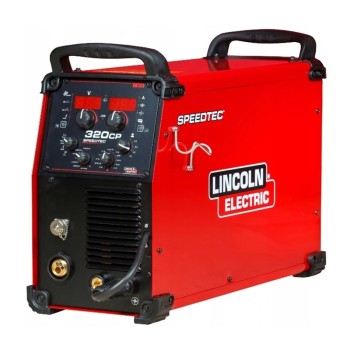
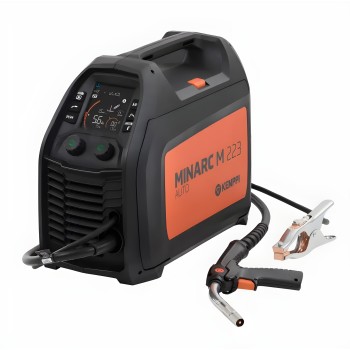
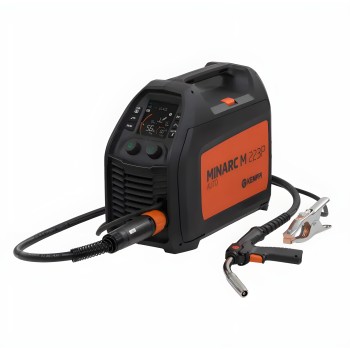
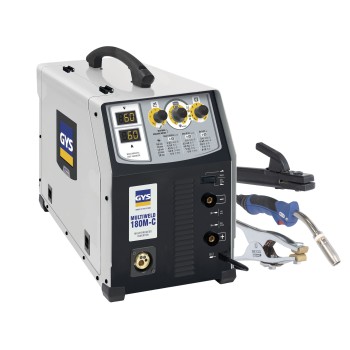
The MIG MAG welder is today the most widely used semi-automatic process both in the workshop and on site. Thanks to continuously fed wire and a shielding gas, the semi-automatic welder enables long, fast, and consistent weld beads on steel as well as on stainless steel or aluminium. Discover our complete selection of MIG/MAG welders, from the compact model for home users to the professional generator for intensive fabrication.
MIG or MAG: what is the difference?
Behind the term MIG welding there are actually two variants. In MIG (Metal Inert Gas), an inert gas — typically argon — is used to weld aluminium and non-ferrous metals. In MAG welding (Metal Active Gas), an active gas, most often an argon-CO₂ mixture, is used for steel and stainless steel. In both cases, the principle remains the same: an electrode wire melts continuously to form the weld pool. It is this continuity that makes MIG welding such a productive process, so highly valued by professionals.
Why choose semi-automatic?
The semi-automatic welder offers decisive advantages. It welds quickly, without interruption to change electrodes as in MMA, and provides excellent penetration. Synergic models further simplify operation: you select the metal and wire diameter, and the machine automatically adjusts the voltage and wire feed speed. The MIG welder is therefore ideal for progressing quickly while achieving clean beads from the very first attempts. For mobile work without a gas supply, also compare our MMA stick welders.
With or without gas?
Not all MIG welders work the same way. Some are used only with gas, while others also accept flux-cored wire without gas, which is practical for outdoor use. If you mainly work in a workshop, a gas MIG welder delivers a cleaner result. For welding outdoors, even in a light breeze, the flux-cored wire welder requires no gas cylinder. Many 2-in-1 models combine both modes, providing maximum versatility.
Choosing the right MIG/MAG welder
Several criteria make the difference. The maximum amperage determines the weldable thickness, while the duty cycle guarantees endurance on long beads. The wire feeding system is essential: a robust multi-roller feeder prevents jams and ensures a steady wire supply. Also consider compatibility with your wire spool and the type of MIG/MAG gas required. A correctly sized welder will reliably cover your needs, from thin bodywork to heavy structure.
Consumables and accessories
The MIG MAG welder only delivers its full potential with quality consumables. Equip yourself with a quality MIG torch, contact tips of the correct diameter, and drive rollers suited to the wire being used. To move your setup easily and secure the gas cylinder, a welder trolley is strongly recommended. For safety, an auto-darkening welding helmet and welding gloves are essential from the very first arc.
The right setting for each metal
MIG welding requires adapting the wire and gas to the metal being worked. For common steel, solid wire and an argon-CO₂ mixture work perfectly. For stainless steel, a stainless wire and a suitable gas are chosen. For aluminium, which is more demanding, aluminium wire, pure argon, and ideally a Teflon-lined torch are required. Adapting these parameters directly determines the quality and cleanliness of the weld bead.
Maintaining your wire feeder
The consistency of MIG welding depends largely on the wire feeding system. Poorly driven wire causes jerking, sticking, and uneven beads. Make sure to use rollers suited to the wire diameter and type, set the drive pressure without excess (crushed wire causes jams), and regularly clean the liner of the MIG torch. Replace worn contact tips, whose bore enlarges over time and degrades electrical contact. Keeping a few spare rollers and contact tips on hand prevents any work stoppage. A well-maintained wire feeder ensures wire reaches the weld pool smoothly and consistently.
Our recommendation
For versatile workshop and repair use, a synergic semi-automatic welder of 160 to 200 A represents the best compromise. It will allow you to weld steel, stainless steel, and aluminium with the correct gas, while remaining portable. Compare our MIG/MAG models, check the included processes and duty cycle, and find the generator that will reliably support all your fabrication and assembly projects.
Frequently asked questions
What is the difference between a MIG welder and a MAG welder?
In MIG (Metal Inert Gas), an inert gas such as argon is used to weld aluminium and non-ferrous metals. In MAG (Metal Active Gas), an active gas, generally an argon-CO₂ mixture, is used for steel and stainless steel. The principle (continuously fed wire) remains identical; only the shielding gas changes according to the metal.
Can a semi-automatic welder weld without gas?
Yes, provided you use flux-cored wire, which generates its own shielding as it melts. Many 2-in-1 welders weld with gas (solid wire) in the workshop and without gas (flux-cored wire) outdoors. You will then need to reverse the polarity of the torch.
What amperage should you choose for a MIG MAG welder?
For versatile workshop and repair use, a welder of 160 to 200 A covers the majority of needs, from thin sheet metal to structures a few millimeters thick. Beyond that, professional welders designed for heavy thicknesses and long beads are the target.
What gas should be used with a semi-automatic welder?
For steel, an argon-CO₂ mixture (MAG mode). For aluminium, pure argon (MIG mode). For stainless steel, specific argon-based mixtures. The gas is always chosen according to the metal being welded. With flux-cored wire, no gas is required.
What is the best MIG welder?
The best MIG welder depends on the thickness to be welded, the gas used, and the frequency of use. A good model must offer stable wire feeding, sufficient amperage, and easy adjustments.
What is the price of a semi-automatic welder?
The price of a MIG MAG welder (semi-automatic) depends mainly on the power output, the duty cycle, the brand, and the included features. Also compare the accessories provided, as they significantly affect the real cost of use.
What is a semi-automatic welder?
A semi-automatic welder automatically feeds an electrode wire during welding. It is used in MIG-MAG with gas or with flux-cored wire without gas for fast, consistent work.


 Italy
Italy
 Germany
 Croatia
 Denmark
 Finland
 Greece
 Ireland
 Portugal
 Sweden
 Norway
 Bulgaria
 Estonia
 Latvia
 Lithuania
 Poland
 Czech Republic
 Romania
 Slovakia
 Slovenia
 Hungary
 Spain
Spain



 2-year warranty