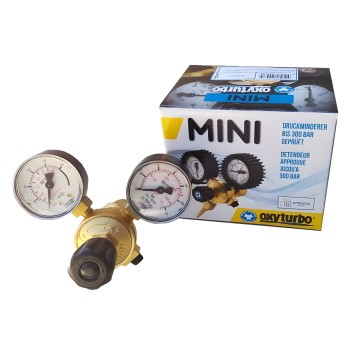
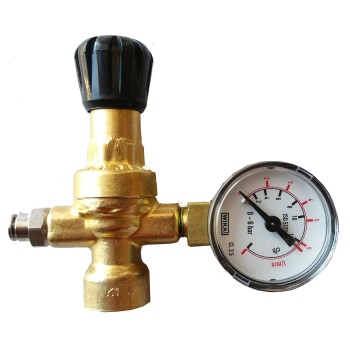
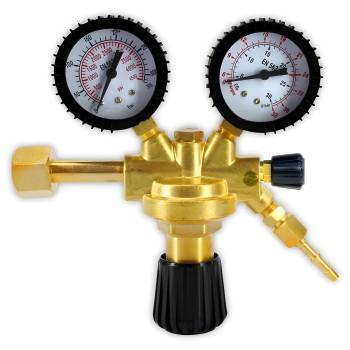
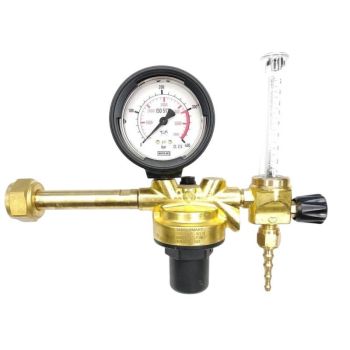
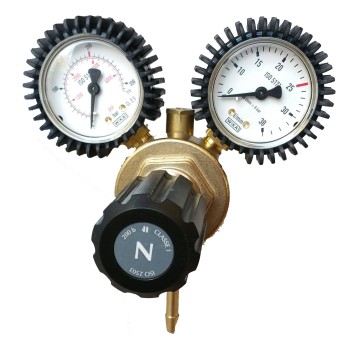
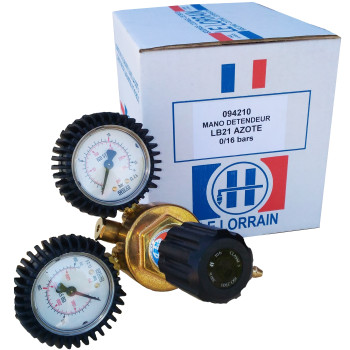
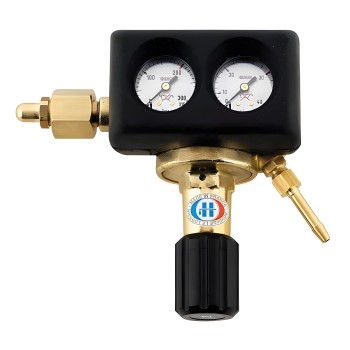
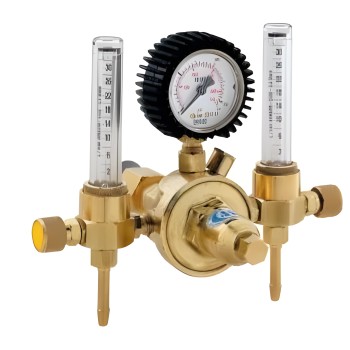
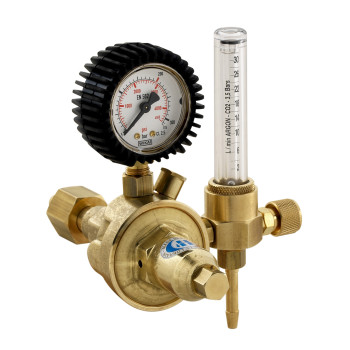
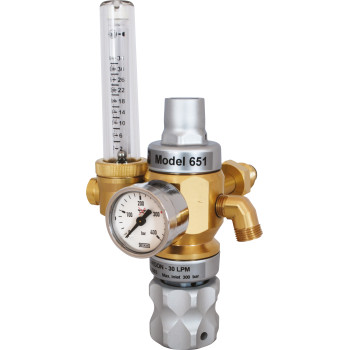
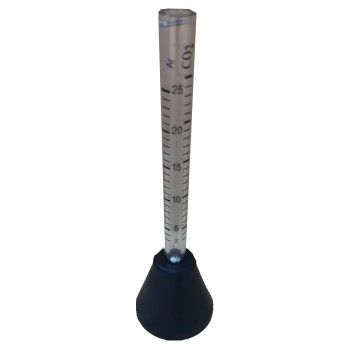
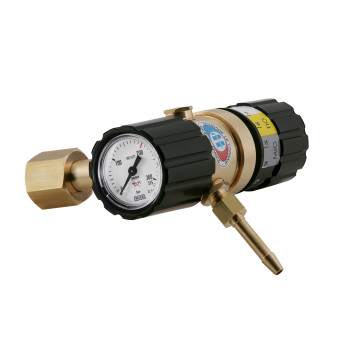
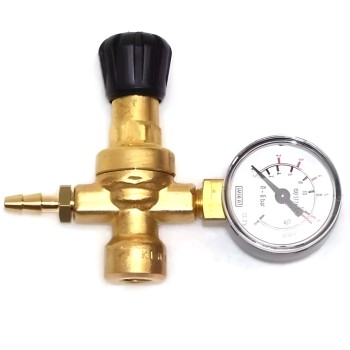
The argon regulator is the accessory that regulates the pressure and flow rate of gas between the cylinder and the welding machine. Equipped with a pressure gauge and a flowmeter, it ensures precise gas shielding. Discover our selection of regulators and flowmeters for argon and argon-CO₂ mixtures.
What is a regulator used for?
The gas cylinder stores gas at very high pressure. The argon regulator reduces this pressure to a usable working value for the machine and sets the flow rate. Without it, controlling the gas supply is impossible. It is the essential interface between the cylinder and the welding circuit, in both TIG and MIG-MAG.
Regulator, pressure gauge and flowmeter
A complete argon gas regulator combines several functions. The argon pressure gauge indicates the remaining pressure in the cylinder, allowing you to anticipate refills. The flowmeter (or argon flow meter) displays and adjusts the gas flow rate in liters per minute. Together, they allow precise control of the gas shielding — a condition for a clean, porosity-free weld bead.
Setting the correct flow rate
Setting the flow rate is crucial. Too low, it allows air to contaminate the weld pool and creates porosity; too high, it generates turbulence that draws in ambient air. A few liters per minute are generally set depending on the process and nozzle, to be adjusted according to conditions. The flowmeter makes this fine adjustment easier, which is essential for weld quality.
Argon or argon-CO₂?
The choice of regulator depends on the gas. The argon CO₂ regulator is suited to mixtures used in MIG-MAG steel welding, while the pure argon regulator is suited to TIG and MIG aluminum welding. Check the regulator's compatibility with your gas and your cylinder's connection standard before purchasing.
Compatibility and connection
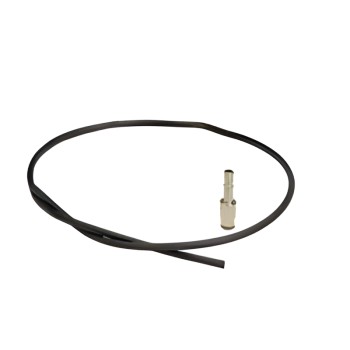
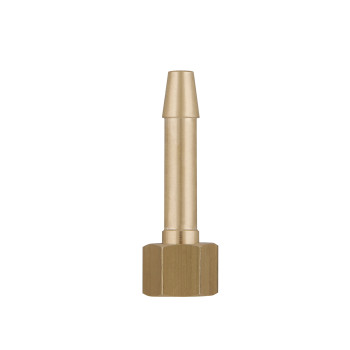
The regulator connects to the cylinder via a standardized thread, then to the machine via a suitable hose and fittings. You must ensure compatibility of the entire assembly to guarantee a leak-free seal. After installation, check the connections with soapy water. A properly connected and leak-free regulator is the foundation of a reliable gas supply.
Maintenance and safety
Always handle the argon regulator with care: open the cylinder valve slowly, never force the fittings, and close the valve after use. Regularly check the regulator's condition and the absence of leaks. A pressure gauge that does not return to zero after closing may indicate a problem to be inspected.
Reading the pressure gauge
The argon pressure gauge is a valuable management tool: it indicates the remaining pressure in the cylinder, and therefore the amount of gas available. By consulting it, you can anticipate refills and avoid running out of gas mid-job. On dual-dial regulators, one gauge indicates the cylinder pressure and the other the outlet pressure or flow rate. Learning to read these readings is part of good gas-fed machine management.
Installation and first steps
Installing an argon gas regulator always follows the same steps: screw the regulator onto the cylinder (ensuring the seal is in good condition), connect the hose to the machine, then slowly open the cylinder valve. The flow rate is then set on the flowmeter. After installation, check for leaks with soapy water. These simple steps, performed carefully, ensure a safe and precise gas supply. A properly installed argon regulator is the foundation of effective gas shielding, in both TIG and MIG-MAG welding.
An accessory that lasts
Well maintained, an argon regulator lasts many years. A few precautions are sufficient: open the cylinder valve slowly to avoid pressure surges, never force the adjustments, and close the valve after use. Periodically check for leaks and ensure the needles return correctly. An argon pressure gauge that behaves abnormally (needle that does not drop, unstable flow rate) signals a check that needs to be carried out. A reliable regulator guarantees consistent gas shielding over time.
Our advice
For precise gas shielding, choose a regulator-flowmeter suited to your gas (pure argon or argon-CO₂) and your cylinder's standard. The pressure gauge helps you anticipate refills, while the flowmeter lets you set the correct flow rate. Always check for leaks after installation. Browse our selection of argon regulators and flowmeters.
Frequently asked questions
What is an argon regulator used for?
It reduces the very high pressure of the cylinder to a usable working value for the machine and sets the gas flow rate. It is the essential interface between the cylinder and the welding circuit, in both TIG and MIG-MAG welding.
What is the difference between a pressure gauge and a flowmeter?
The pressure gauge indicates the remaining pressure in the cylinder, allowing you to anticipate refills. The flowmeter displays and adjusts the gas flow rate in liters per minute. Together, they allow precise control of the gas shielding.
What gas flow rate should you set with a flowmeter?
Generally a few liters per minute depending on the process and nozzle, to be adjusted according to conditions. Too low, the flow rate allows air to contaminate the weld pool and creates porosity; too high, it generates turbulence that draws in ambient air.
Do you need a different regulator for argon and argon-CO₂?
The regulator must be compatible with the gas being used: a model suited to argon-CO₂ mixtures for MIG-MAG steel welding, and a pure argon regulator for TIG and MIG aluminum welding. Also check the connection standard of your cylinder before purchasing.


 Italy
Italy
 Germany
 Croatia
 Denmark
 Finland
 Greece
 Ireland
 Portugal
 Sweden
 Norway
 Bulgaria
 Estonia
 Latvia
 Lithuania
 Poland
 Czech Republic
 Romania
 Slovakia
 Slovenia
 Hungary
 Spain
Spain



 2-year warranty