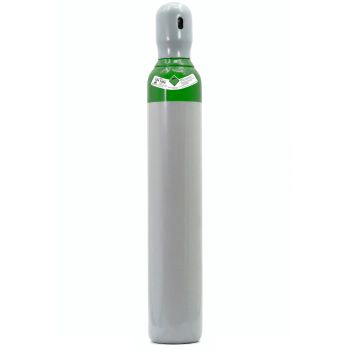
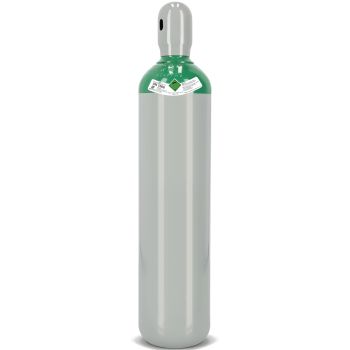
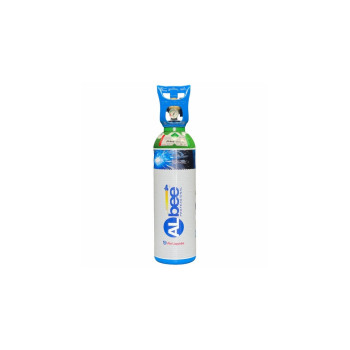
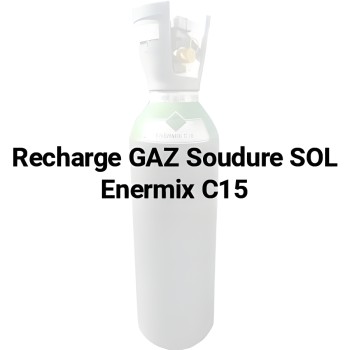
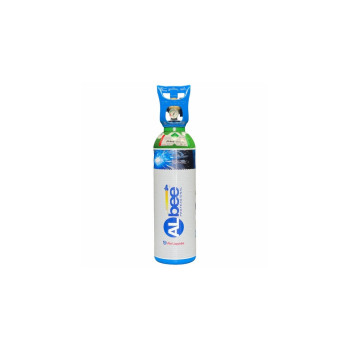
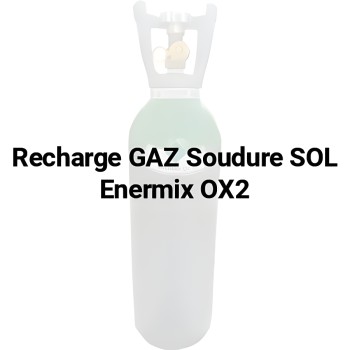
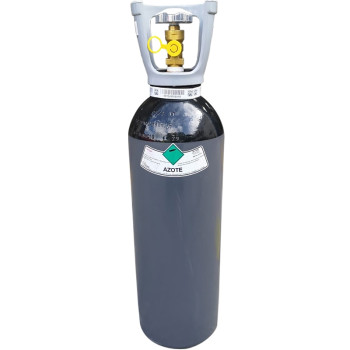
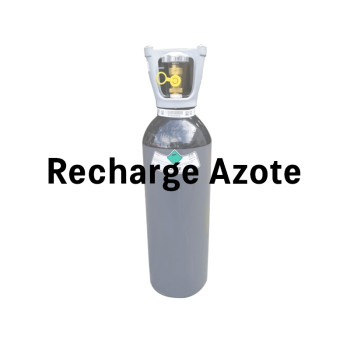
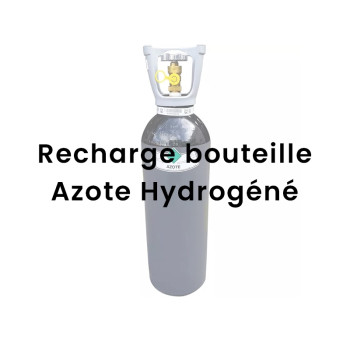
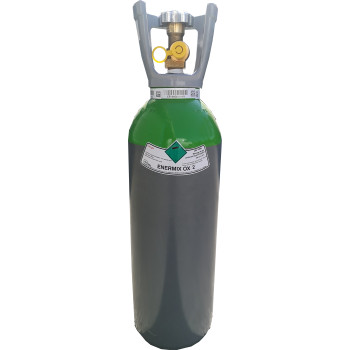
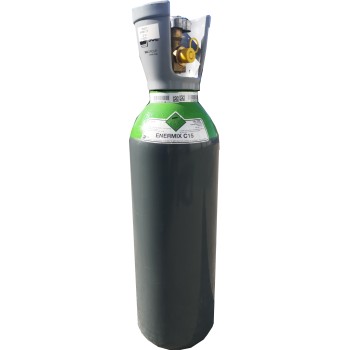
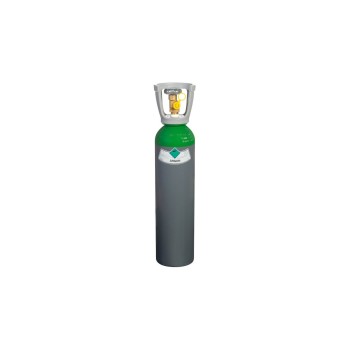
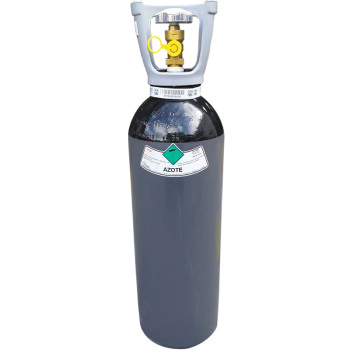
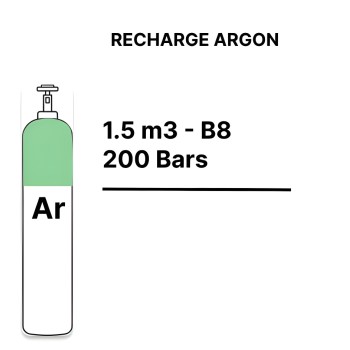
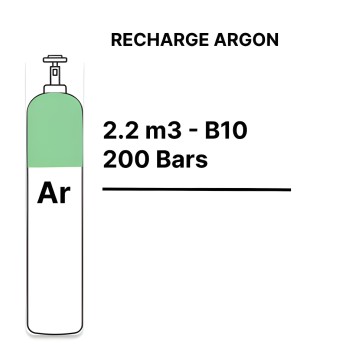
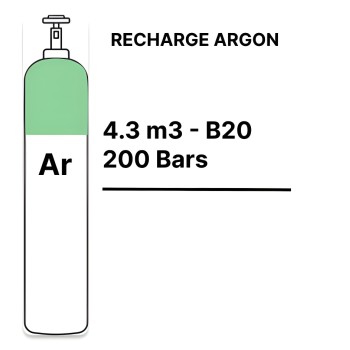
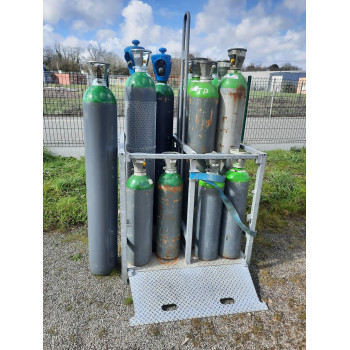
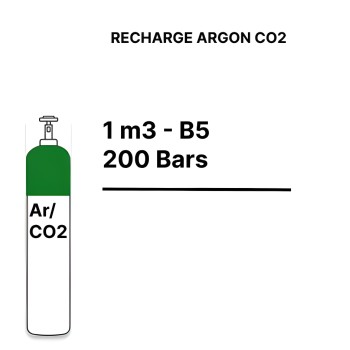
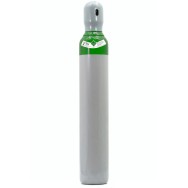
Welding gas is essential for most processes: it shields the weld pool from the air or feeds the flame. Depending on the technique used, the welding gas cylinder contains argon, an argon-CO₂ mixture, or oxygen and acetylene. Discover our selection of cylinders and our advice for choosing the right gas.
What is the role of gas in welding?
The role of welding gas varies depending on the process. In MIG-MAG and TIG welding, it forms a shield that protects the weld pool from oxidation by the air, ensuring a sound bead. In flame welding, oxygen and acetylene feed the torch that melts the metal. Without the right gas, it is impossible to achieve a quality weld in these processes.
Gas for MIG-MAG welding
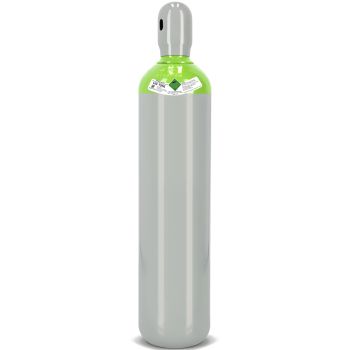
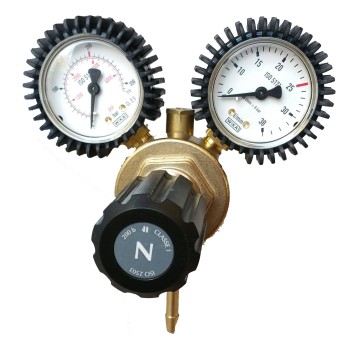
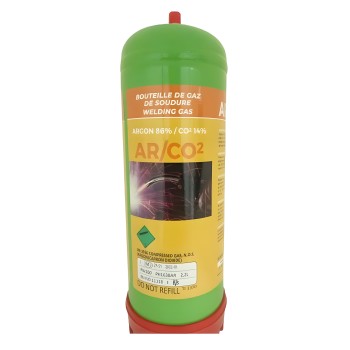
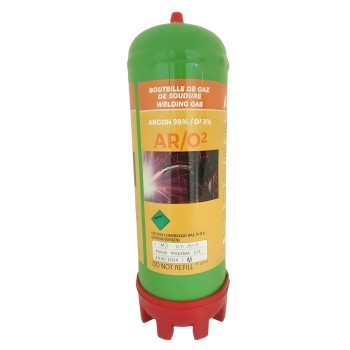
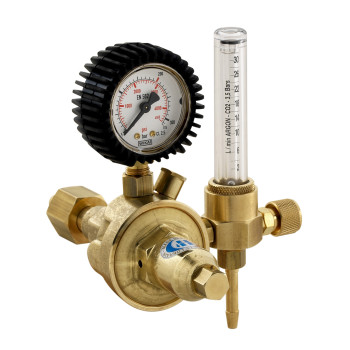
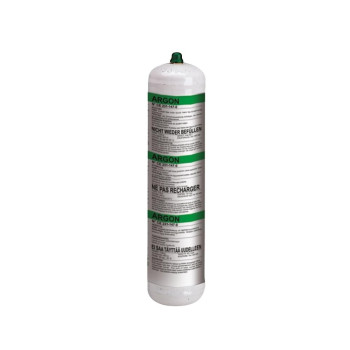
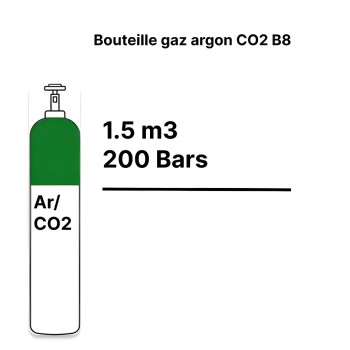
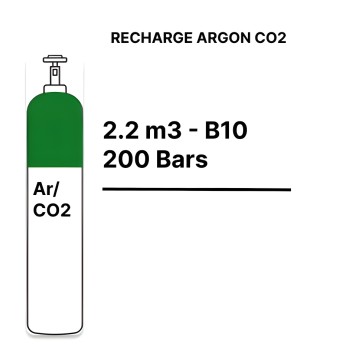
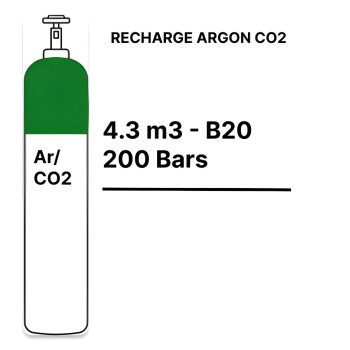
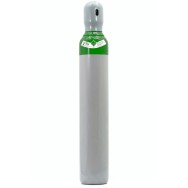
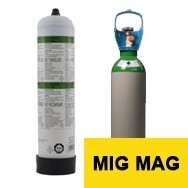
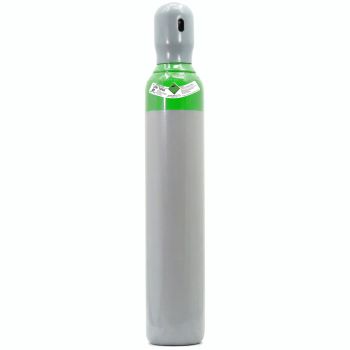
For MIG-MAG welding, the choice depends on the metal. Steel is welded with an argon-CO₂ mixture, aluminium with pure argon. These gases shield the weld pool during wire feeding. A MIG-MAG gas cylinder and a regulator-flowmeter are essential for the gas-shielded process.
Gas for TIG welding
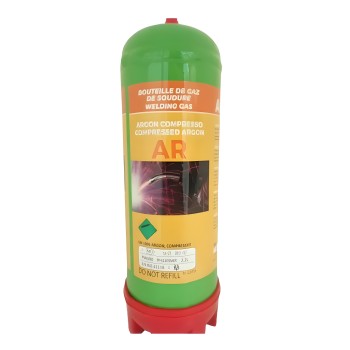
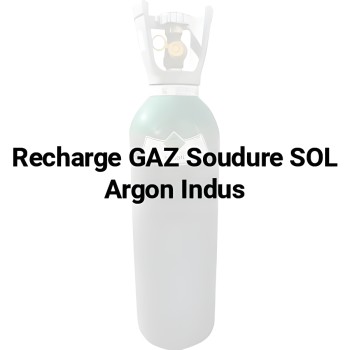
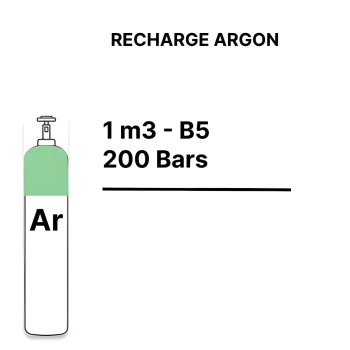
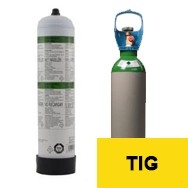
TIG welding uses pure argon, an inert gas that protects the tungsten electrode and the weld pool. It is the gas cylinder for TIG welding machine par excellence. The flow rate, adjusted at the regulator, is crucial for weld bead quality: not too low (contamination), nor too high (turbulence).
Gas for the blowtorch
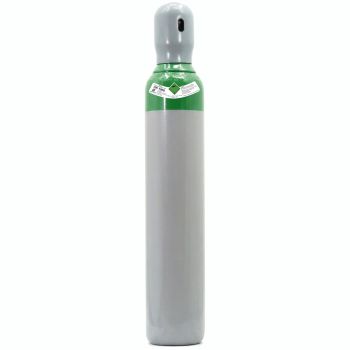
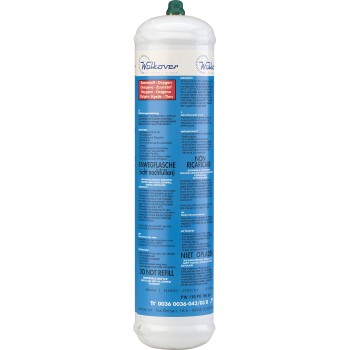
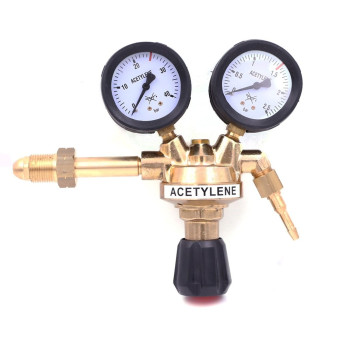
For flame welding and oxyfuel cutting, the gas for welding torch combines oxygen and acetylene. The welding oxygen cylinder feeds, together with acetylene, the oxyacetylene torch whose flame reaches very high temperatures. This process is used for welding, brazing and cutting.
Rental or contract-free cylinder?
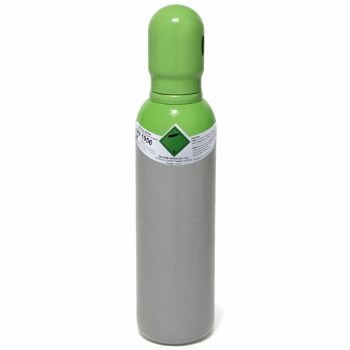
The cost of welding gas depends on the supply method. Traditional rental involves an annual fee. The contract-free refillable cylinder belongs to you and can be refilled freely, with no subscription: often more economical for occasional to regular use. Choose based on your frequency of use.
Safety and storage
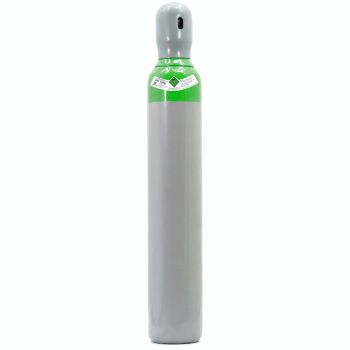
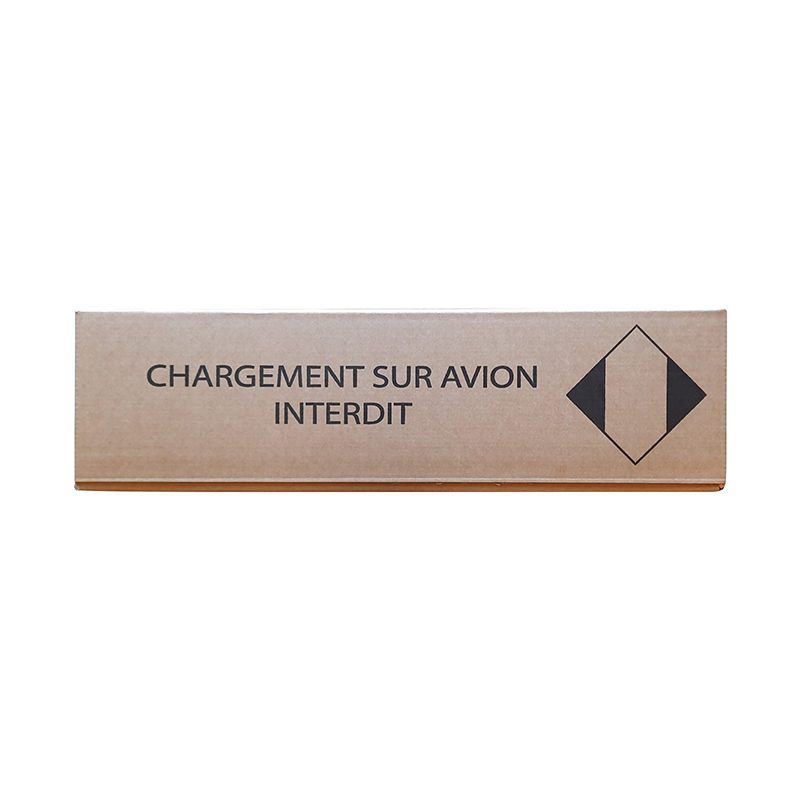
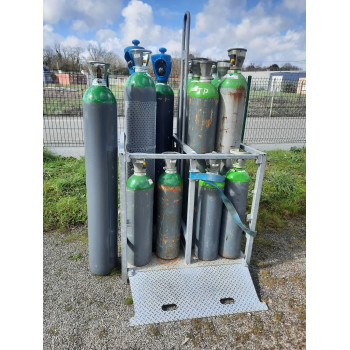
Compressed gas requires strict precautions. Store cylinders upright, secured, in a ventilated area and away from any heat source. Close the valve after use, transport them secured on a trolley and check the seal of the fittings with soapy water, never with a flame. These rules apply to every welding cylinder.
The regulator-flowmeter, a key accessory
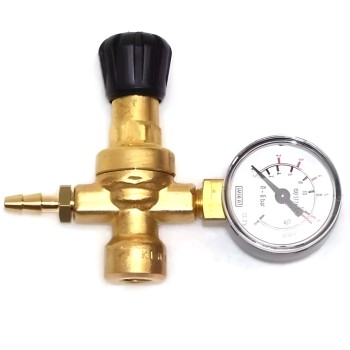
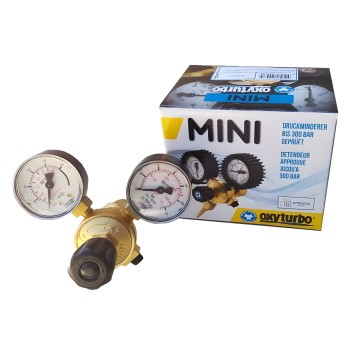
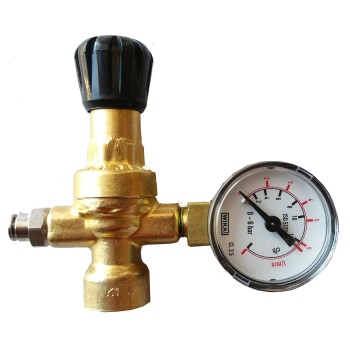
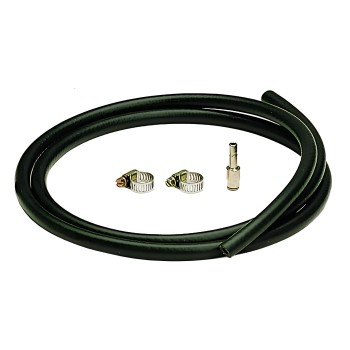
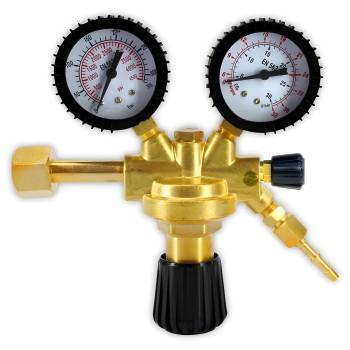
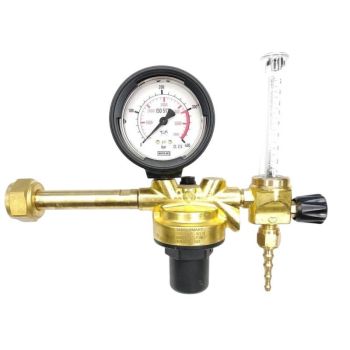
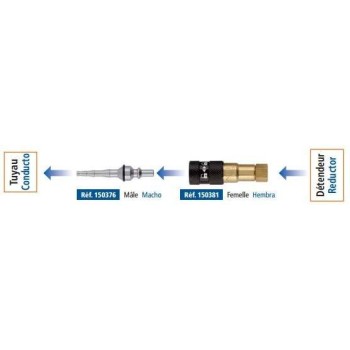
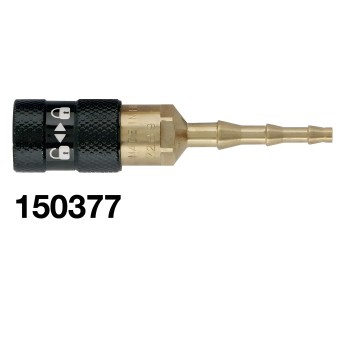
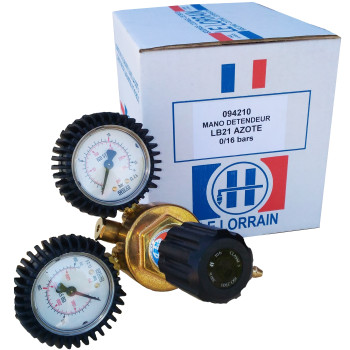
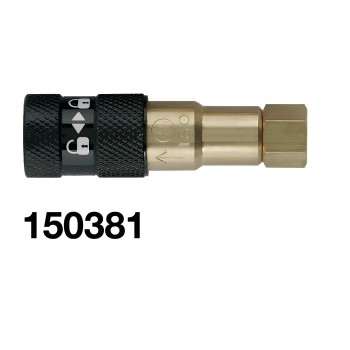
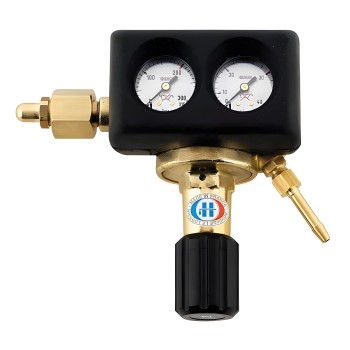
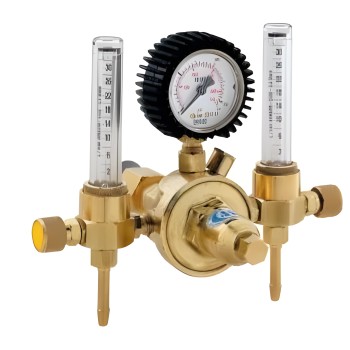
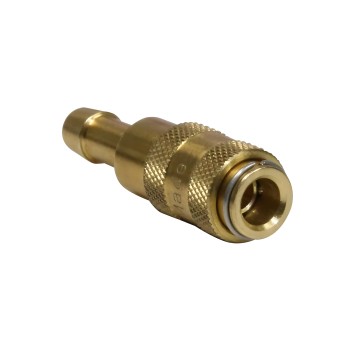
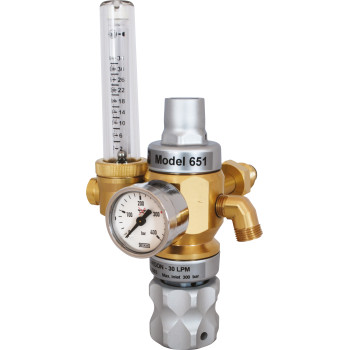
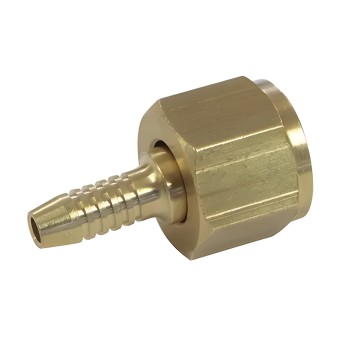
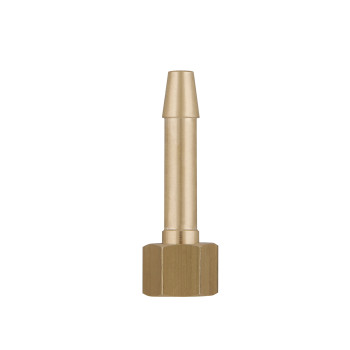
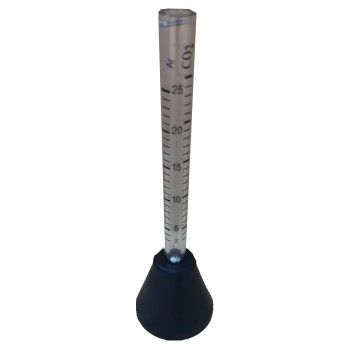
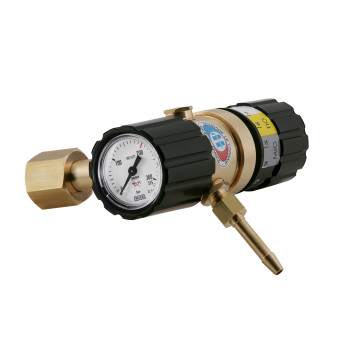
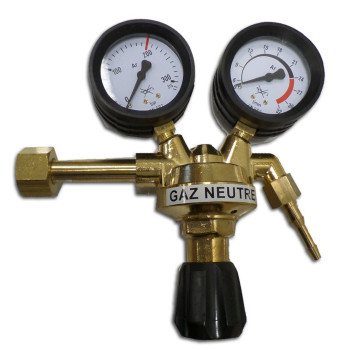
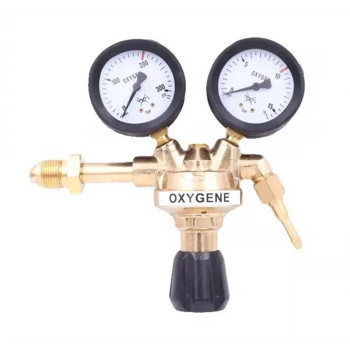
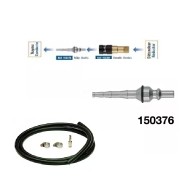
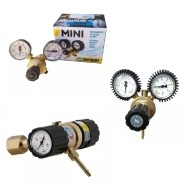
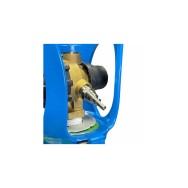
Whatever the gas-shielded process, the regulator-flowmeter is essential: it reduces the high pressure from the cylinder to a working pressure and sets the gas flow rate. A well-adjusted flow rate is the key to effective shielding of the weld pool. Check the fitting compatibility with the gas type and cylinder. It is a modest investment that directly determines the quality of your weld beads in both MIG-MAG and TIG welding.
Estimating your consumption
Anticipating your welding gas consumption avoids running dry in the middle of a job. Gas flows throughout the entire arc duration: the more you weld, the faster the cylinder empties. For regular use, a larger capacity reduces the frequency of refills; for occasional use, a small cylinder is sufficient and easy to store. Monitor the residual pressure indicated by the regulator to replace or refill the gas cylinder before it runs out.
Choose based on your process, not the other way around
The common mistake is to choose a gas cylinder at random and then adapt the process. It should be the other way around: start with the process and the metal, then choose the appropriate gas. MIG-MAG welding of steel requires argon-CO₂, TIG requires pure argon, and flame welding requires oxygen-acetylene. Once the gas is defined, choose the capacity based on frequency of use and supply method (rental or contract-free). This approach avoids unnecessary purchases and ensures quality welds from the start. If in doubt about the right gas for your machine, it is better to check the process recommendations before making any purchase.
Our advice
Choose your welding gas based on the process: argon-CO₂ for MIG steel, pure argon for TIG and MIG aluminium, oxygen-acetylene for flame welding. Opt for a capacity suited to your usage and, to avoid rental, consider contract-free cylinders. Don't forget the regulator-flowmeter. Browse our selection of welding gas cylinders.
Frequently asked questions
Which gas should you use depending on the welding process?
For MIG-MAG welding of steel, an argon-CO₂ mixture; for TIG and MIG aluminium welding, pure argon; for flame welding, oxygen and acetylene. The gas is always chosen based on the process and the metal being worked.
What is the difference between argon and argon-CO₂?
Pure argon is an inert gas used in TIG welding and for MIG welding of aluminium. Argon-CO₂ is an active mixture used in MIG-MAG welding on steel, where it ensures penetration and arc stability. They are not used in the same processes.
Can you avoid renting a gas cylinder?
Yes, by opting for a contract-free refillable cylinder: it belongs to you and can be refilled or exchanged freely, with no annual fee. For occasional to regular use, this is often more economical than traditional rental.
How to safely store a welding gas cylinder?
Upright and secured, in a ventilated area, away from any heat source. Close the valve after use, transport it secured on a trolley and check the seal of the fittings with soapy water, never with a flame.
What is the price of a welding gas cylinder?
The price of a welding gas cylinder depends on the gas type, capacity, and whether you use a contract or contract-free system. Argon and MIG-MAG mixtures are the most common for welding machines.


 Italy
Italy
 Germany
 Croatia
 Denmark
 Finland
 Greece
 Ireland
 Portugal
 Sweden
 Norway
 Bulgaria
 Estonia
 Latvia
 Lithuania
 Poland
 Czech Republic
 Romania
 Slovakia
 Slovenia
 Hungary
 Spain
Spain



 2-year warranty