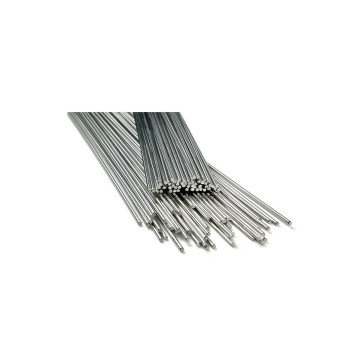
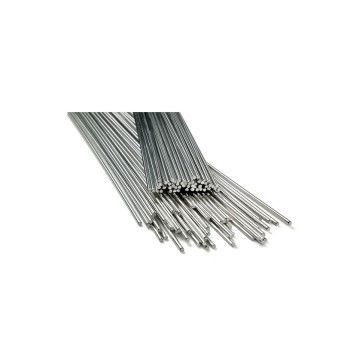
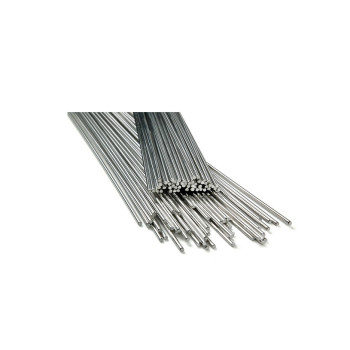
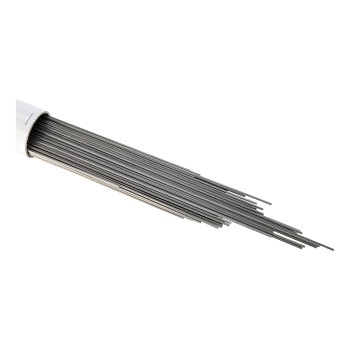
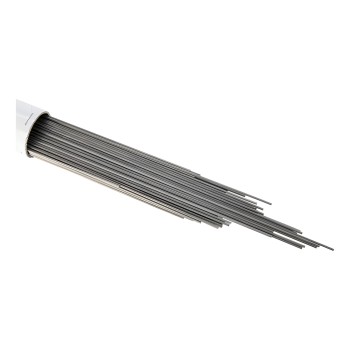
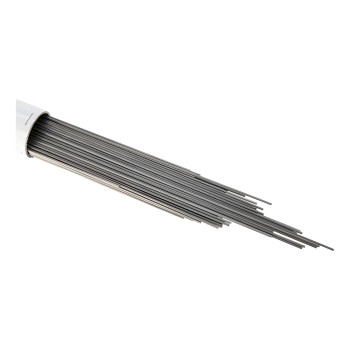
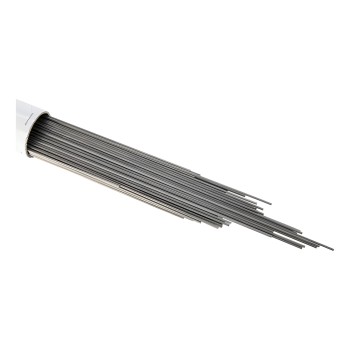
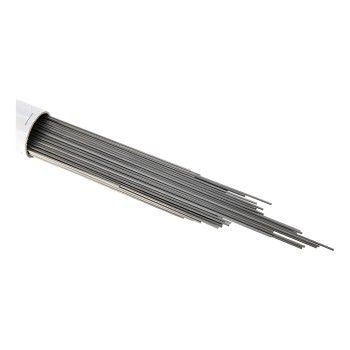
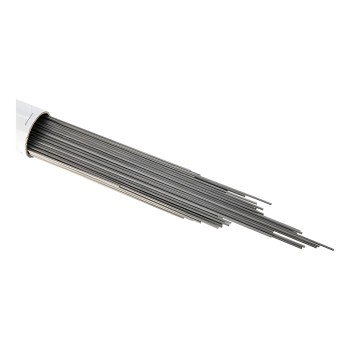
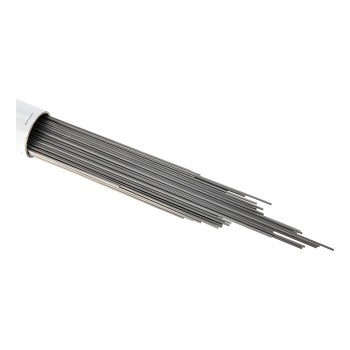
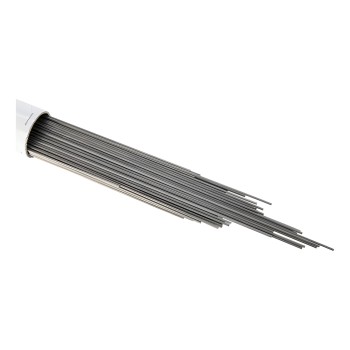
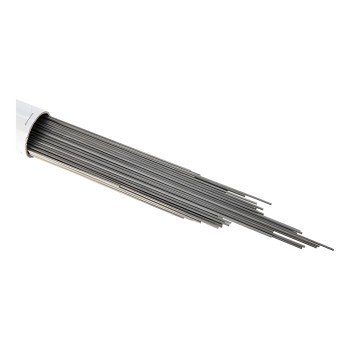
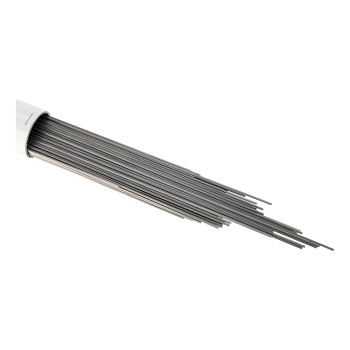
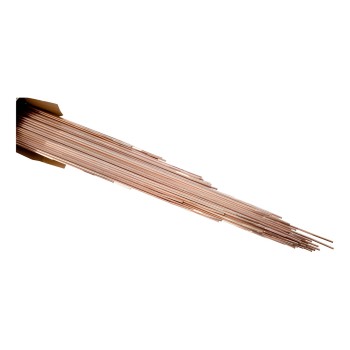
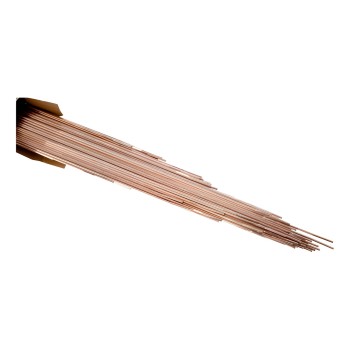
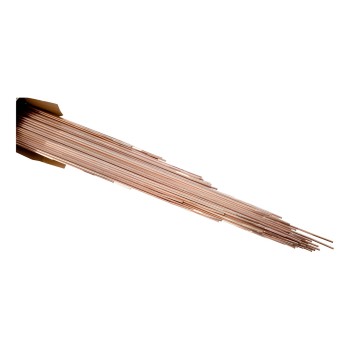
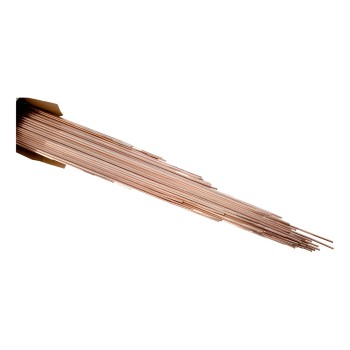
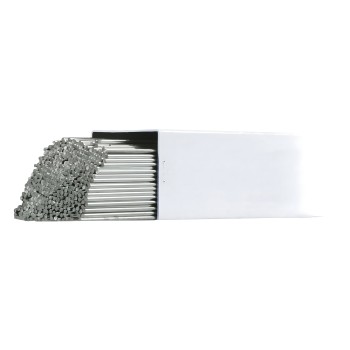
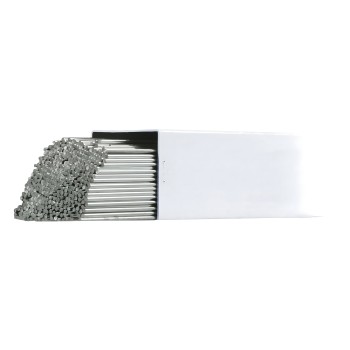
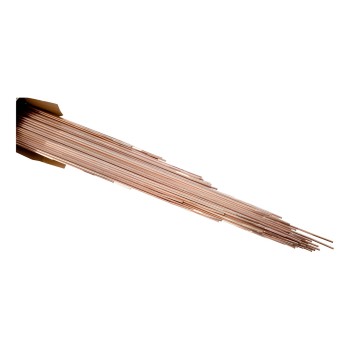
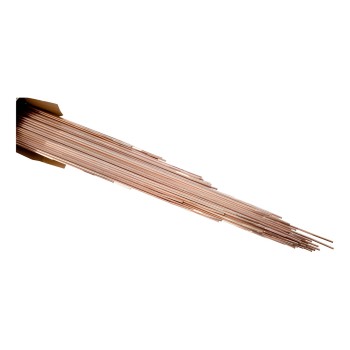
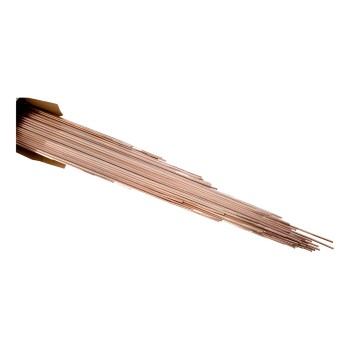
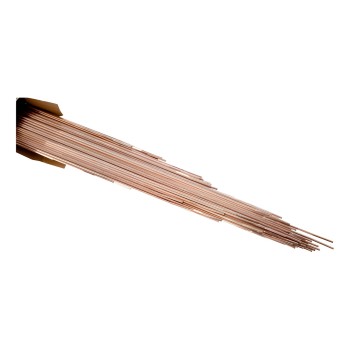
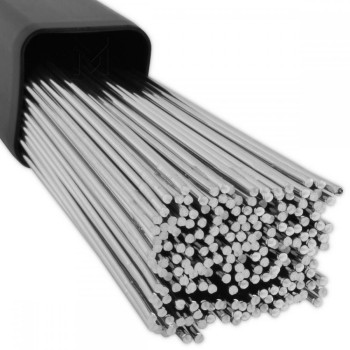
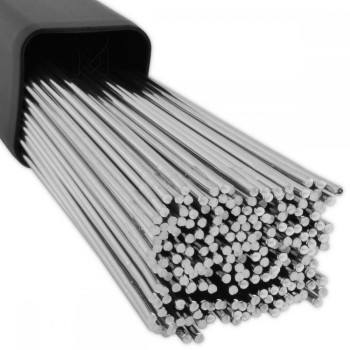
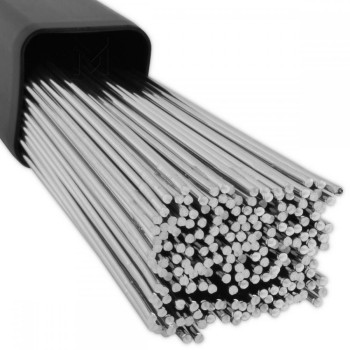
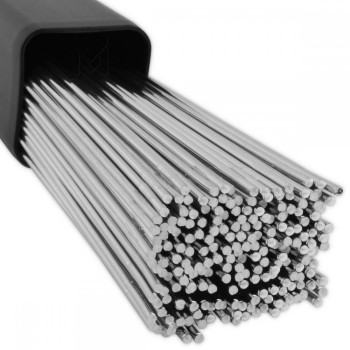
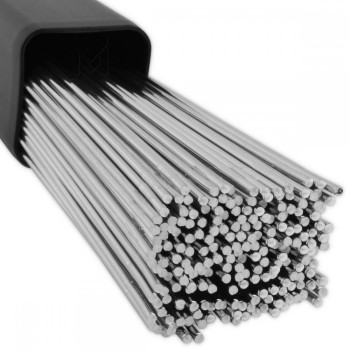
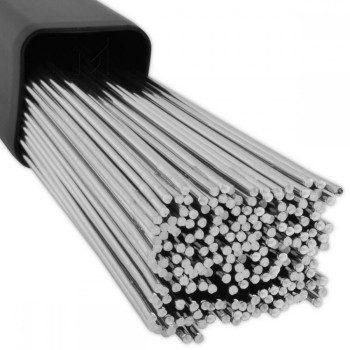
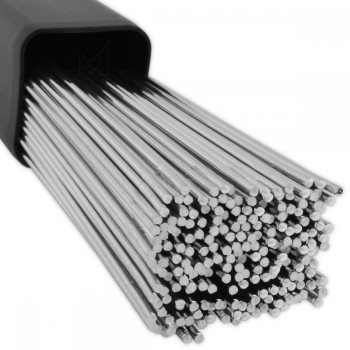
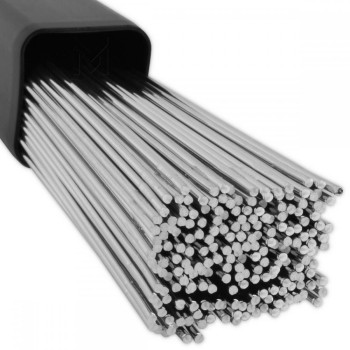
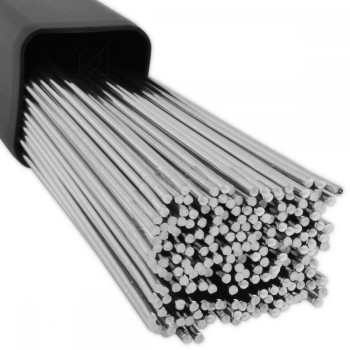
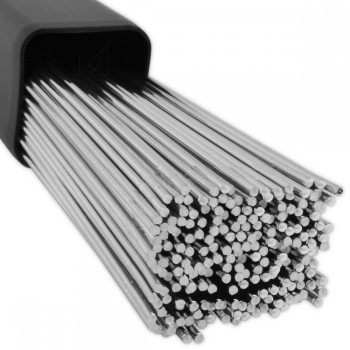
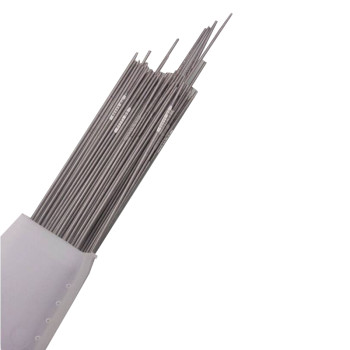
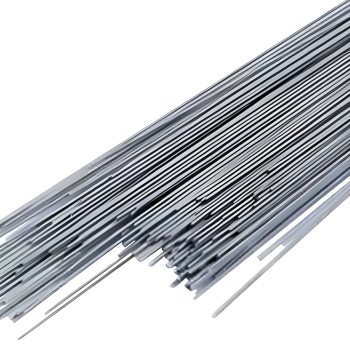
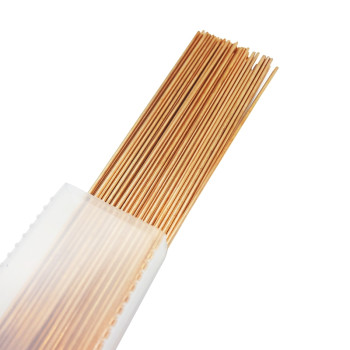
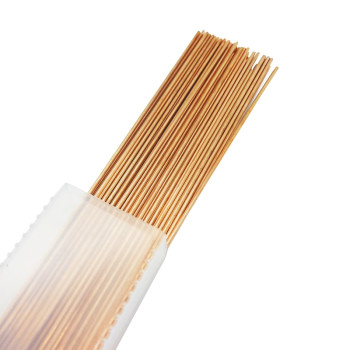
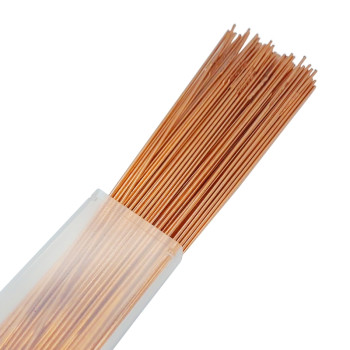
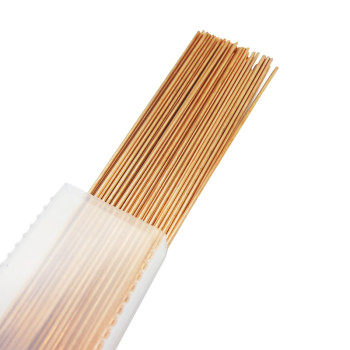
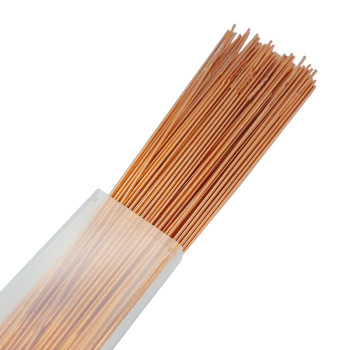
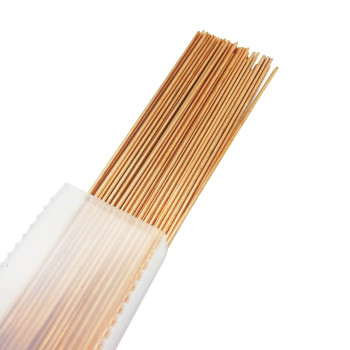
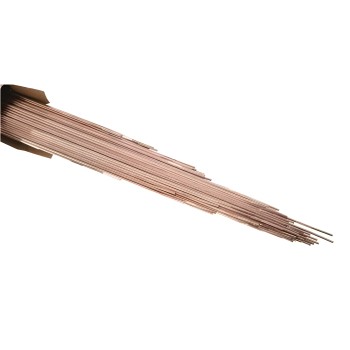
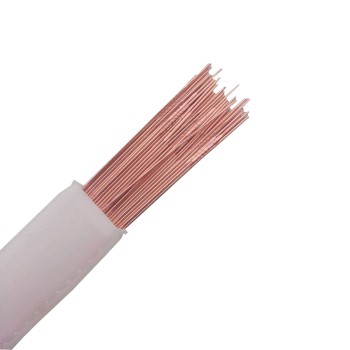
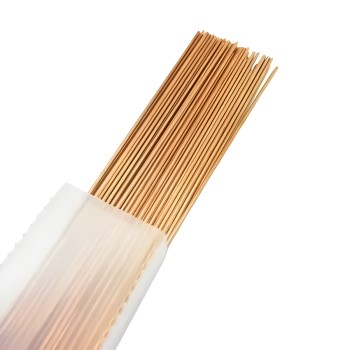
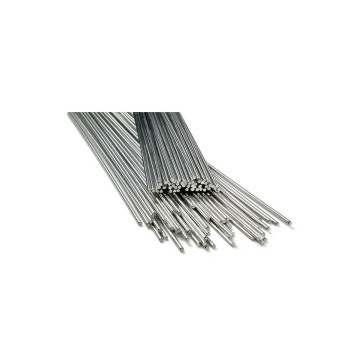
TIG filler metal is the element that, by melting into the weld pool, fills the joint between two pieces. In TIG welding, this TIG rod is added manually, separately from the tungsten electrode. The choice of its grade and diameter directly determines the quality and strength of the bead. Discover our selection of filler metals for TIG welding of steel, stainless steel, and aluminum.
The role of filler metal in TIG welding
Unlike MIG welding where the wire electrode itself supplies the metal, TIG filler metal is a bare rod, separate from the tungsten electrode which does not melt. The welder holds the torch in one hand and the TIG rod in the other, feeding it progressively into the pool. This separation offers total control over the amount of metal deposited, which is the source of the characteristic precision of the process.
Choosing the right grade
The fundamental principle is to choose a TIG filler metal compatible with the base metal. For TIG steel filler metal, steel rods suited to the welded grade are used. For TIG stainless steel filler metal, 308L rods (for 304 stainless steel) or 316L rods (for 316 stainless steel) are used, the "L" designating a low carbon content that preserves corrosion resistance. For aluminum, a specific aluminum filler is chosen. Using the wrong grade compromises the mechanical strength or corrosion resistance of the assembly.
The right diameter
The diameter of the TIG rod must be proportional to the thickness of the workpiece. A rod that is too thin melts too quickly and requires multiple filler passes; a rod that is too thick struggles to melt and cools the weld pool. As a general rule, choose a rod diameter close to the thickness to be welded. Adapting this parameter ensures a regular bead and smooth execution.
Filler metal for steel
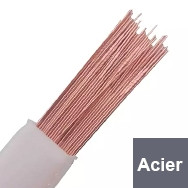
TIG steel welding is the most common. It requires a steel rod of a suitable grade, a DC TIG machine in direct current, an appropriate tungsten electrode, and pure argon as shielding gas. The result is a clean and solid bead, ideal for structures and visible parts.
Filler metal for stainless steel
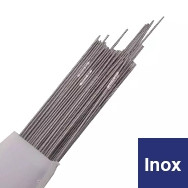
TIG stainless steel filler metal requires special attention. The filler grade (308L, 316L…) must match that of the base stainless steel. Argon shielding is essential, and for critical welds, the back of the bead should also be protected. After welding, stainless steel treatment restores the passive layer and the appearance of the metal.
Filler metal for aluminum
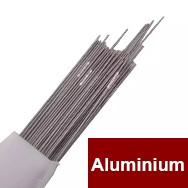
Aluminum is welded in alternating current with a TIG AC/DC machine. The aluminum filler metal must be clean and dry, as aluminum is very sensitive to contamination. Careful surface preparation (degreasing, brushing with a dedicated stainless steel brush) is essential for a sound bead.
Storage and cleanliness
A TIG welding wire or filler rod must remain clean and dry. The slightest trace of grease, moisture, or oxidation results in porosity. Store your rods in their packaging, handle them with clean gloves, and wipe them if necessary before use. This care determines the quality of the bead, particularly on stainless steel and aluminum.
Correctly introducing the filler metal
The filler technique determines the regularity of the TIG bead. The TIG rod is introduced in small touches at the leading edge of the weld pool, never directly into the arc, and without touching the tungsten electrode, which would contaminate it. The welder alternates: forming the pool with the torch, adding a drop of filler metal, advancing slightly, and repeating. Keeping the hot end of the rod under the gas shielding prevents oxidation. This two-handed coordination takes a little practice, but it is what gives TIG welding its characteristic regular "stack of coins" beads. A rod diameter suited to the thickness greatly facilitates this technique.
Our advice
Choosing the right TIG filler metal comes down to three criteria: compatibility with the base metal, the correct diameter for the thickness, and the cleanliness of the consumable. Steel, stainless steel 308L/316L, aluminum: every metal has its filler. Match the right rod with a suitable tungsten electrode and argon, and take care with preparation. Browse our selection of filler metals and TIG rods to succeed in all your precision work.
Frequently asked questions
What filler metal should you choose for TIG welding stainless steel?
A rod of a grade compatible with the base stainless steel: 308L for 304 stainless steel, 316L for 316 stainless steel. The "L" designates a low carbon content that preserves corrosion resistance near the bead. Argon shielding is essential, ideally also on the back of the bead.
What diameter TIG rod should you use?
A diameter close to the thickness of the workpiece to be welded. A rod that is too thin melts too quickly and requires multiple filler passes; a rod that is too thick struggles to melt and cools the weld pool. Properly proportioned, it produces a regular bead and smooth execution.
Which TIG rod for welding steel?
A steel rod of a grade suited to the base metal, used with a DC TIG machine, an appropriate tungsten electrode, and pure argon. The result is a clean and solid bead, ideal for structures and visible parts.
Why must TIG filler metal be clean?
Because TIG filler metal is very sensitive to contamination: the slightest trace of grease, moisture, or oxidation results in porosity in the bead. Handle the rods with clean gloves and store them in their packaging, in a dry place.


 Italy
Italy
 Germany
 Croatia
 Denmark
 Finland
 Greece
 Ireland
 Portugal
 Sweden
 Norway
 Bulgaria
 Estonia
 Latvia
 Lithuania
 Poland
 Czech Republic
 Romania
 Slovakia
 Slovenia
 Hungary
 Spain
Spain



 2-year warranty